Did Africans Reach the Americas Before Columbus?
Did Africans Reach the Americas Before Columbus?
For generations, mainstream history has taught us that Christopher Columbus “discovered” the Americas in 1492. However, a growing body of evidence tells a very different story—one where African seafarers crossed the Atlantic long before European ships ever set sail for the West.
From ancient carvings to written logs, the clues left behind point toward early global exploration that has been systematically left out of standard textbooks.
The Evidence in Stone and Script
When examining pre-Columbian Mesoamerica, physical artifacts tell an unmistakable tale:
- Egyptian-Style Vessels:Carvings depicting ancient Egyptian-style ships have been uncovered among Mesoamerican ruins.
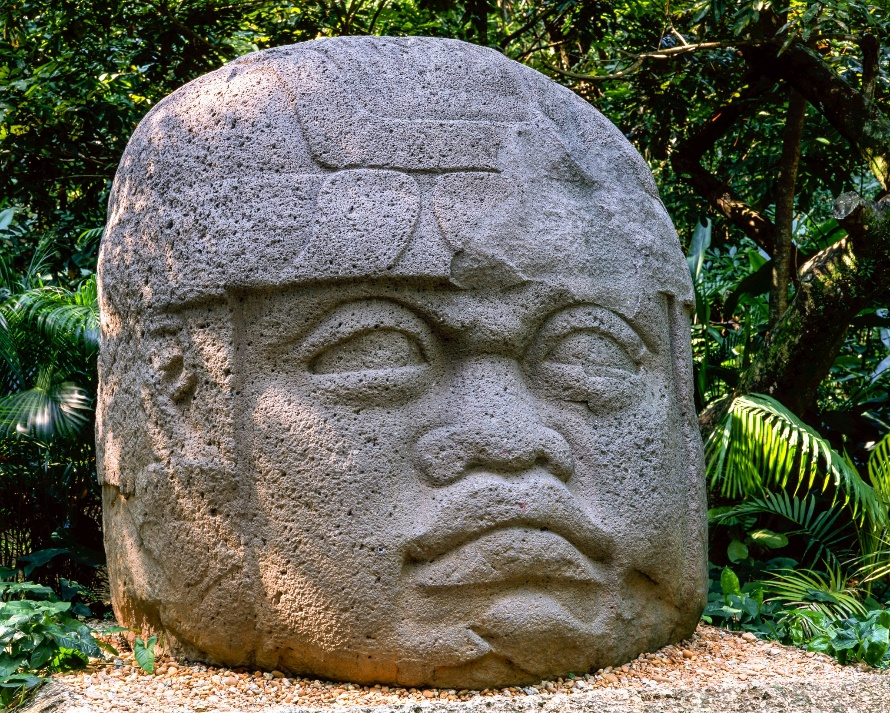
- Shared Scripts:Written symbols used by the Olmecs—the mother civilization of Mesoamerica—bear striking similarities to early West African and Egyptian scripts.
- Master Seafarers:Centuries before Europe entered its Age of Discovery, African nations commanded powerful maritime fleets. In the 14th century, King Abubakari II of the Mali Empire abdicated his throne to lead an expedition of 200 ships across the Atlantic.
Even Christopher Columbus himself noted in his personal journals seeing “black-skinned people” trading with Indigenous populations in the Americas upon his arrival.
Why Mainstream History Stays Silent
Acknowledging an early African presence in the Americas completely upends the traditional Eurocentric narrative. Admitting this truth would mean recognizing that African civilizations were global maritime pioneers, and that early American cultures developed through rich, cross-continental influences long before European contact.
Instead, we see a familiar pattern of historical erasure. Just as the Black identity of Kemet (Ancient Egypt) was minimized, many Olmec sites and monuments faced deliberate destruction around 400 BCE. Whitewashing these ancient connections served to protect the myth of European “discovery.”
Uncover the Unfiltered Truth
History is reclaimed by looking past convenient myths and examining the real physical evidence. From colossal stone heads to ancient ocean currents, the signs of early African contact are impossible to ignore once you know where to look.
To explore these fascinating connections and rediscover the true scope of early global exploration, order your copy of E.L. Coburn’s book, Ancient History today. It is an essential read for anyone ready to look beyond biased textbooks and honor the real pioneers of our world. Buy your copy now and join the journey toward historical truth!